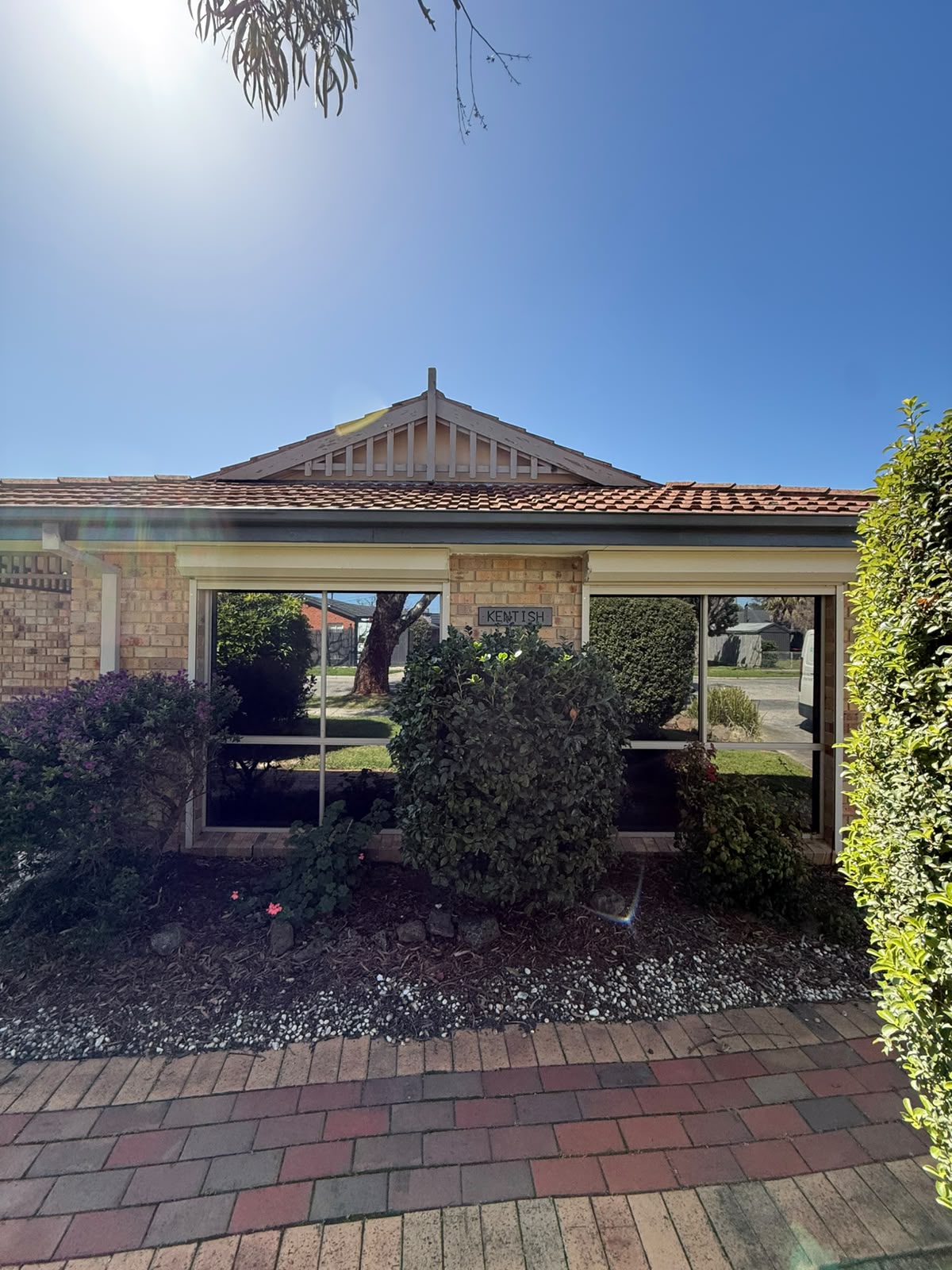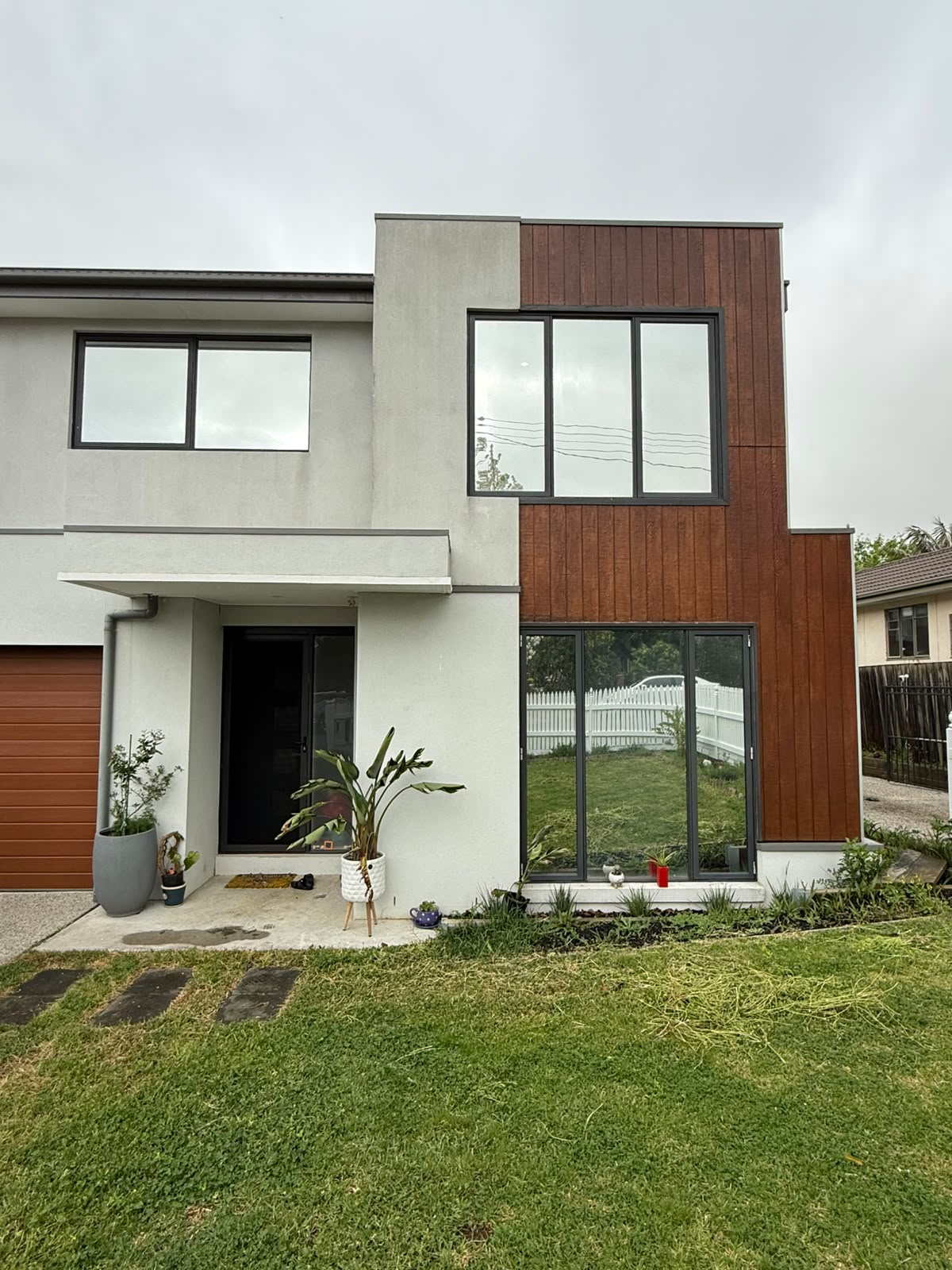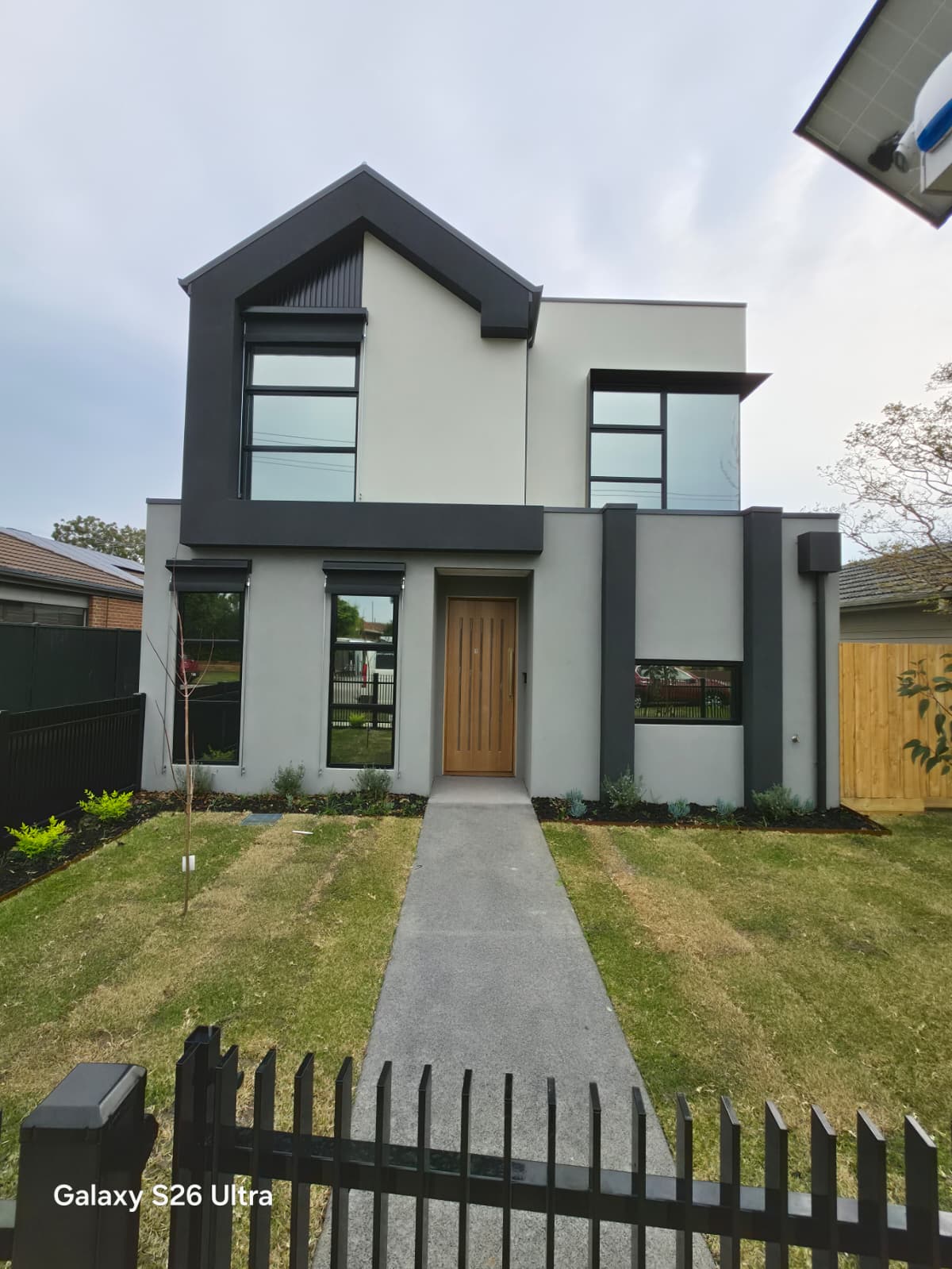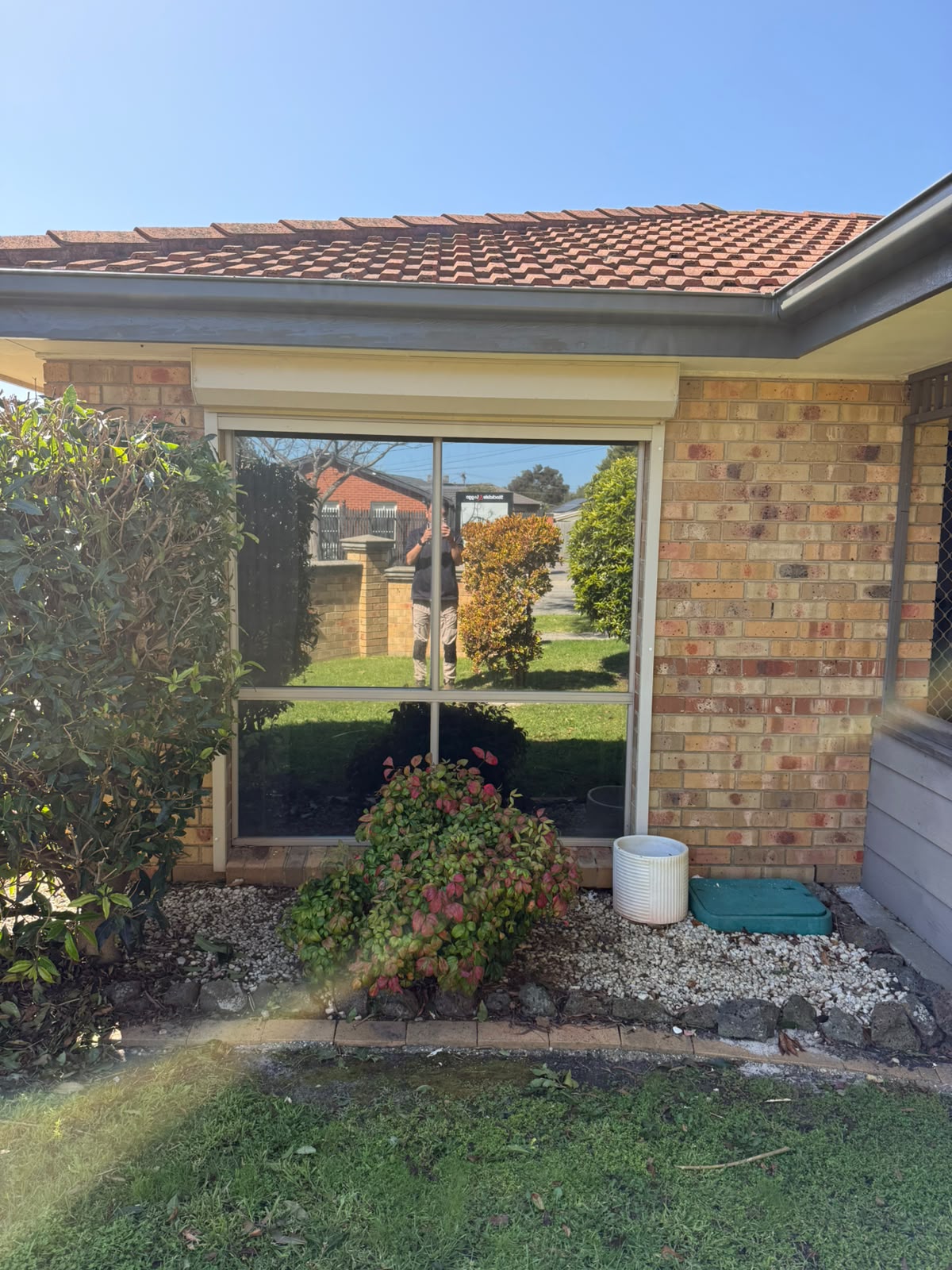

How Much Does House Window Tinting Cost in Melbourne?
If you are thinking about tinting the windows in your home, one of the first questions is usually simple:
How much is it going to cost?
Unfortunately, the answer is not quite as simple as multiplying the size of your windows by a standard price per square metre.
House window tinting can vary significantly in price depending on the film you choose, the type of glass, how the windows are framed, how easy they are to reach and even the width of each pane.
Two Melbourne homes with the same total area of glass can end up with quite different quotes.
That doesn’t mean window-tint pricing needs to be confusing. Once you understand what an installer is actually allowing for, it becomes much easier to compare quotes and work out whether you are getting good value.
Here is what Melbourne homeowners should know.
What does house window tinting cost in Melbourne?
There is no single standard rate that applies to every home.
As a rough market guide, publicly advertised Melbourne residential tinting rates in 2026 can range from around $80 per square metre at the lower end to more than $250 per square metre for some premium films and more complex installations.
Those figures should only be used for budgeting.
They are not Tint Minister’s standard rates or a quote for your home.
The final price will depend on your actual windows and the film required.
That is why Tint Minister generally recommends looking at the individual job rather than relying on a generic square-metre price.
If you want a firm figure for your property, the best option is to request a quote from Tint Minister.
Why isn’t window tint priced at one flat rate per square metre?
At first glance, charging for window film by the square metre makes sense.
If you have 15 square metres of glass, surely the installer simply needs 15 square metres of film?
Not quite.
Architectural window film comes in rolls of set widths, and not every piece cut from the roll can be used somewhere else.
Tint Minister’s existing pricing guidance explains that common film roll widths include approximately:
- 915 mm
- 1220 mm
- 1524 mm
- 1829 mm.
Imagine one window is 890 mm wide.
A 915 mm roll may cover it with very little wasted film.
Now imagine the next pane is 950 mm wide.
That pane is only 60 mm wider, but it may require film from a 1220 mm roll.
The unused material beside the pane can become waste.
So while the two windows are almost the same size, they may not have the same material cost.
This is one reason a simple “price per square metre” can sometimes give homeowners the wrong impression.
The main factors that affect window-tinting cost
Several variables normally determine the price of residential window tinting.
1. The type of window film
Film choice can make a significant difference to the overall cost.
Not all films use the same construction, coatings or manufacturing technology.
For example, a straightforward solar-control film is normally different in price from a specialist Low-E film or premium architectural product.
Tint Minister currently offers several residential options, including:
- high-reflective film
- dual-reflective film
- low-reflective or black tint
- Low-E window film.
You can compare the main solar-control options on our house window tinting Melbourne page.
The most expensive film is not automatically the best choice for your home.
A premium product may make sense where you want high solar performance while maintaining a particular appearance or level of natural light.
For another room, a simpler film might do everything you need.
The aim should be to pay for the performance you actually need.
2. Film brand
Brand can also affect price.
Architectural window-film manufacturers position their ranges at different price points.
Tint Minister’s existing comparison of 3M window film with other brands explains that premium-branded and specialised films can cost considerably more because of manufacturing, supply, minimum-order quantities and the particular product specified.
That doesn’t mean an expensive brand is always necessary.
What matters is whether the product:
- performs as required
- is compatible with your glass
- comes with appropriate manufacturer support
- has suitable warranty terms
- gives you the appearance you want.
A good installer should be able to explain why a particular film has been recommended rather than simply quoting the most expensive option.
3. The number and size of the windows
Unsurprisingly, more glass usually means more film and more installation time.
But the number of individual panes also matters.
Imagine two homes each have 20 square metres of glass.
One might consist of four large sliding-door panels.
The other may have 30 smaller framed panes.
Although the total glass area is similar, the second job involves considerably more:
- measuring
- cutting
- edge work
- cleaning
- positioning
- trimming.
That additional labour can affect the price.
So don’t be surprised if a home with lots of small windows costs more per square metre than a house with a few large, simple panes.
4. Timber versus aluminium window frames
The type of frame can have a surprisingly large impact on installation time.
Aluminium frames are often relatively straightforward to prepare.
Timber windows can require more work.
Older timber frames may have:
- paint around the edges
- sealant or silicone
- uneven surfaces
- accumulated dirt
- old adhesive or other contamination.
The glass needs to be properly prepared before film is installed.
Window film is thin, so dirt and debris left beneath it can remain visible once the installation is finished.
The extra preparation needed around some timber windows therefore adds labour to the job.
This is why two identical pieces of glass in different types of frames may not cost exactly the same amount to tint.
5. Access to the windows
A ground-floor window that can be reached while standing comfortably on the floor is obviously easier to work on than glass positioned several metres above a stairwell.
Access can affect the quote when windows require:
- ladders
- mobile scaffolding
- elevated work platforms
- difficult furniture removal
- special safety equipment
- extra installers.
Even the position of the bottom of the window matters.
Tint Minister’s existing pricing guidance gives the example of tall glass positioned above floor level. Repeatedly climbing up and down a ladder during preparation and installation makes the job slower than working on the same area of easily accessible glass.
If you have double-height windows, stairwell glazing or second-storey glass, mention this when requesting your quote.
Photos can be particularly useful when explaining access.
6. Your glass type
Different glass types can restrict which films are suitable.
This is an important point because the cheapest film is not useful if it is not safe for the glass.
Homes may contain:
- ordinary annealed glass
- toughened glass
- laminated glass
- single glazing
- double glazing
- Low-E coated glass.
Some films absorb more solar energy than others.
If too much energy is absorbed by an unsuitable piece of glass, the temperature difference across the pane can increase the risk of thermal stress.
Double glazing and Low-E glass require particularly careful film selection.
You can read more in Tint Minister’s guide explaining why glass type matters when choosing window tint.
This is one reason a professional quote should consider the glass itself rather than simply its dimensions.
7. Existing film that needs to be removed
If your windows are already tinted, the old film may need to be removed before the new product is installed.
Removal can involve more than simply peeling the film away.
Depending on the film’s age and condition, adhesive may remain on the glass and need to be carefully removed.
Old, deteriorated film can sometimes take considerably longer to strip than relatively recent film.
That additional labour may be included as a separate part of the quote.
If you already have film on the windows, tell the installer when requesting pricing.
8. Specialist films
Some products cost more because they are designed to perform a more specialised job.
Low-E window film
Low-emissivity film is designed to improve year-round thermal performance.
Unlike standard solar film, which primarily focuses on reducing incoming solar heat, Low-E products can also help reduce radiant heat loss through the glazing during cooler weather.
That makes them particularly relevant to Melbourne homes, where winter heating matters as well as summer cooling.
Specialised Low-E films generally cost more than straightforward solar-control products.
You can read more about window film that helps retain heat in winter and reject heat in summer.
Safety and security films
Safety and security film is another specialist category.
It is normally thicker than conventional solar film and is designed to help hold broken glass together.
This means it has different material and installation requirements.
If your main priority is strengthening existing glazing rather than reducing heat, see Tint Minister’s safety and security window film service.
Does darker tint cost more?
Not necessarily.
Film price isn’t determined simply by how dark it looks.
A dark film can be relatively straightforward in its construction, while a lighter premium film may use more advanced coatings or multiple layers to control solar energy without significantly darkening the room.
This is why VLT, or visible light transmission, shouldn’t be used as a proxy for price or performance.
A lower VLT means less visible light passes through the filmed glass.
It does not automatically mean:
- more heat rejection
- better quality
- longer lifespan
- higher cost.
If you are comparing shades, Tint Minister has a guide explaining what VLT means and how it relates to window-film darkness.
Do I need to tint the whole house?
No.
This is one of the easiest ways to manage the cost of a residential tinting project.
If your main problem is heat, glare or privacy in one area of the house, you may only need to treat those particular windows.
For example, perhaps:
- the west-facing lounge room becomes extremely hot
- a street-facing bedroom needs more daytime privacy
- the television room suffers from glare
- one side of the house experiences noticeable floor fading.
Tinting the problem windows first can sometimes give you most of the benefit without treating glass that doesn’t really need it.
Later, you can decide whether it is worth extending the film to other rooms.
Can I save money by installing window film myself?
DIY window-film products exist, but professional architectural film is not quite the same as putting a sticker on the glass.
The glass needs to be thoroughly cleaned and prepared.
The film then has to be:
- measured accurately
- cut cleanly
- positioned correctly
- squeegeed without contamination
- trimmed consistently around the edges.
Large panes become particularly difficult because even small particles of dust, hairs or debris trapped underneath the film can remain visible.
There is also the bigger issue of product compatibility.
If you apply a high-absorption film to unsuitable glass, particularly certain double-glazed or Low-E units, you can create avoidable risk.
For small decorative applications DIY may be practical.
For large areas of residential solar-control film, the value of professional installation is not just the appearance of the finished film. It is also selecting the correct product for the glass.
How should you compare window-tinting quotes?
If you receive several quotes, don’t compare the final dollar figure alone.
Ask what you are actually getting.
A useful comparison should include:
The exact film
Ask for the manufacturer, range and shade.
“Premium window tint” doesn’t tell you much.
Performance specifications
Depending on your goal, look for relevant measures such as:
- visible light transmission
- solar heat rejection
- total solar energy rejected
- UV rejection
- glare reduction.
Glass compatibility
Make sure the proposed film is suitable for your glazing.
This matters especially with double glazing and Low-E glass.
Manufacturer warranty
Check what is covered and how long the manufacturer warranty applies to the particular film.
Avoid assuming every product carries the same warranty.
Workmanship
Ask what happens if there is an installation problem.
Tint Minister currently promotes lifetime work assurance on its website, separate from individual manufacturer product warranties.
GST
Make sure you know whether the quote includes GST.
Otherwise, two seemingly similar prices may not actually be comparable.
Preparation and access
Check whether any special access, removal of existing film or additional preparation is included.
A cheaper quote can become less attractive if several necessary items are later added as extras.
Window tint versus replacing the glass
Homeowners sometimes look into window film while also considering replacement glazing.
They are not the same product.
New high-performance glazing can improve several aspects of a building’s thermal performance, but replacing windows can involve:
- new glass
- new frames or modifications
- building work
- removal and disposal
- considerably higher material and labour costs.
Window film works with the glass you already have.
For homeowners mainly trying to improve solar control, glare, UV protection or daytime privacy, film may therefore provide a lower-cost option without replacing the window system.
Low-E film can also improve aspects of thermal performance, although it should not be described as identical to double glazing.
If you are considering that comparison, Tint Minister has an existing guide on Low-E window film and double-glazed glass.
What should a good house window-tinting quote include?
A clear residential quote should make it easy to understand what you are paying for.
Ideally, you should know:
- which windows are included
- which film is being installed
- whether GST is included
- whether old film removal is included
- whether special access is needed
- what warranty applies
- whether any deposit is required
- what happens if the glass is found to be unsuitable.
Tint Minister currently states that customers pay after the job is completed, with a deposit required for Low-E installations.
If anything in a quote isn’t clear, ask before agreeing to the work.
Is house window tinting worth the cost?
That depends on the problem you are trying to solve.
Window tint can make particular sense when you already like your windows but have problems with:
- excessive solar heat
- glare
- UV exposure
- fading
- daytime privacy.
It can also be attractive when replacing otherwise functional glazing would be difficult or expensive.
What you shouldn’t do is choose a film simply because it is the cheapest.
A low price isn’t particularly useful if the film:
- doesn’t solve the heat problem
- makes the room darker than you want
- is incompatible with the glass
- creates an appearance you dislike.
Likewise, there is little point paying for the most expensive product available if a more straightforward film can solve the problem just as well.
The best value is the film that suits your glass and achieves what you actually need.
Frequently asked questions about house window-tinting costs
How much does window tint cost per square metre?
There isn’t one universal rate. Current Melbourne market pricing varies considerably according to film type and installation complexity, with publicly advertised rates ranging from around $80 per square metre to well above $200 per square metre. Your actual quote can be higher or lower depending on the job.
Why can’t Tint Minister give me one square-metre rate?
Film type, roll width, wastage, frame preparation, glass type, access and the number of separate panes can all affect the installation cost. Measuring the actual windows gives a more accurate price.
Is premium window film worth paying more for?
Sometimes. Premium films can offer particular combinations of heat control, natural-light transmission, appearance or thermal performance. Whether those advantages are worth the extra cost depends on your goals.
Does double glazing cost more to tint?
It can. Not because film is automatically harder to install on double glazing, but because film selection needs to account for the glazing construction and thermal-stress risk. The appropriate product may be different from the cheapest standard film.
Does timber framing increase the cost?
It can. Timber windows often require more careful edge preparation because of paint, silicone and irregular surfaces.
Is it cheaper to tint all my windows at once?
Larger jobs can sometimes be more efficient because setup and travel are spread across more glass, but the final cost still depends on the windows and film. If only a few windows are causing problems, you do not necessarily need to tint the whole house.
Does the quote include installation?
Always confirm this. When comparing companies, make sure you are comparing supplied-and-installed prices rather than film-only pricing.
Get an accurate price for your home
Online pricing can help you build a rough budget, but it cannot tell an installer what your windows are actually like.
Two panes that look similar on paper may require different films, different roll widths or very different amounts of preparation.
That is why the most reliable way to price house window tinting is to look at:
the film + the glass + the window + the access.
Tint Minister provides house window tinting across Melbourne and can help you work out which windows are worth treating and which film suits the job.
If you are comparing options, request a free quote and include photos of the windows where possible.
We can then give you a clearer idea of what is involved — without pretending every window-tinting job costs the same.