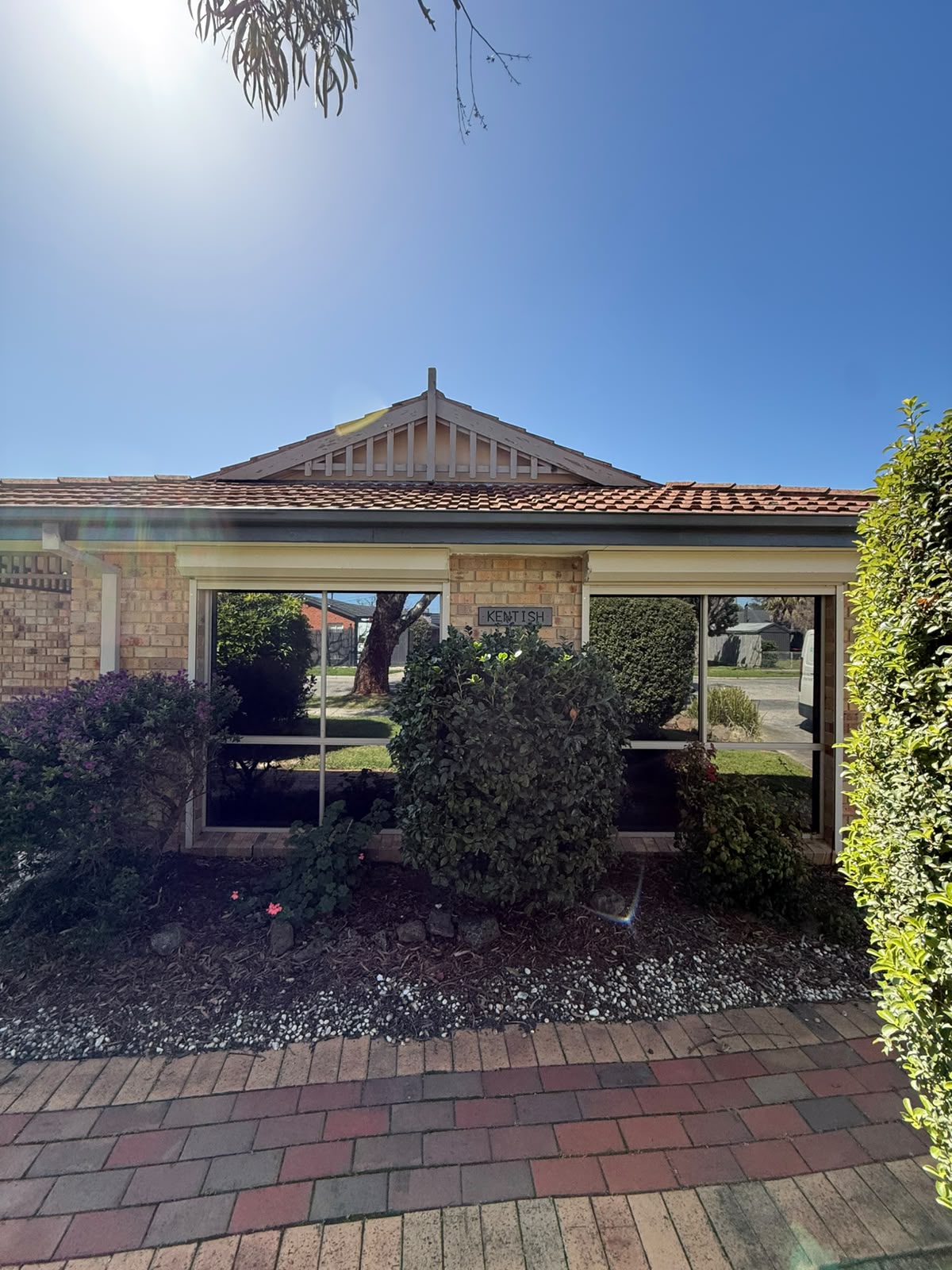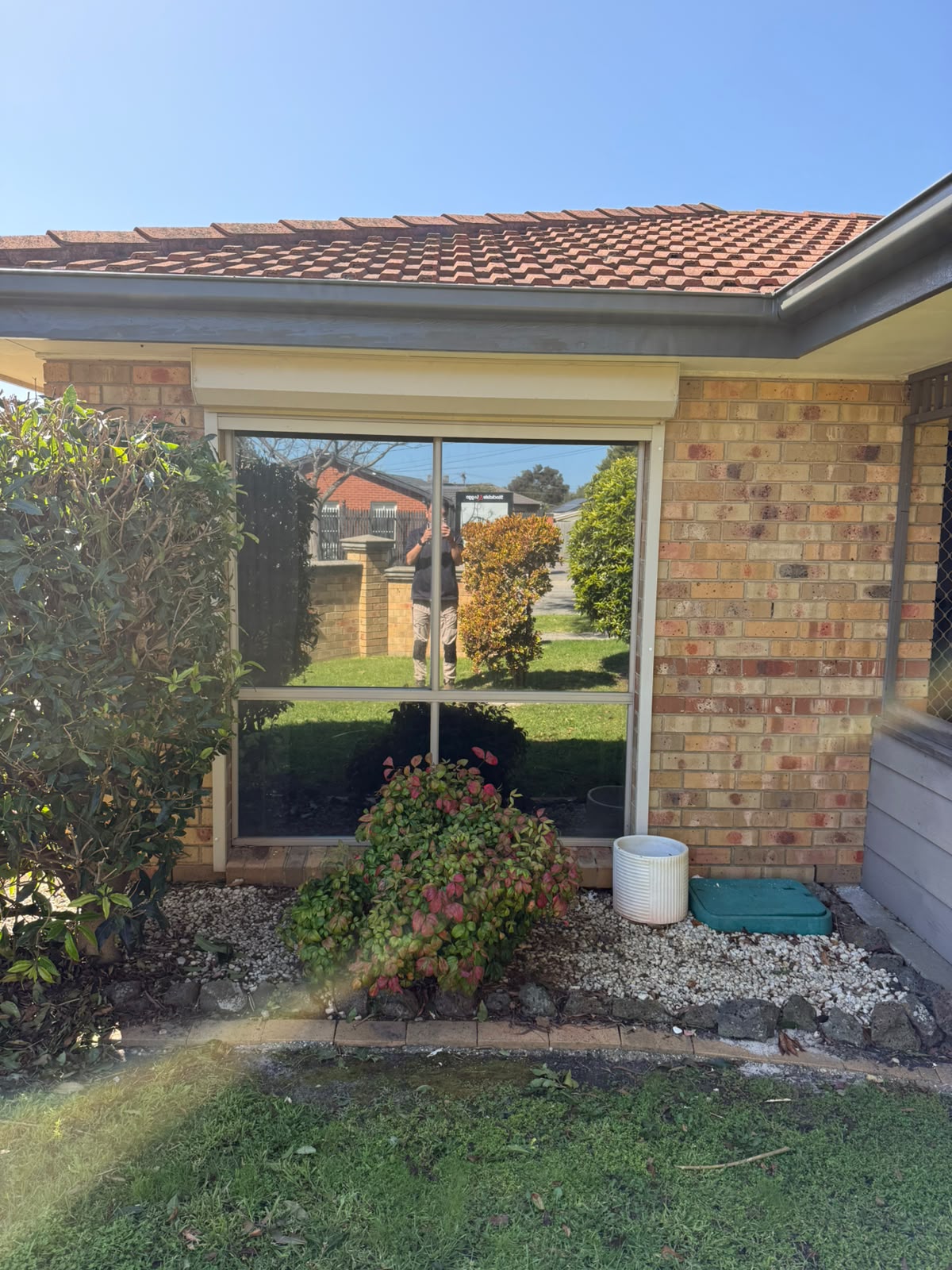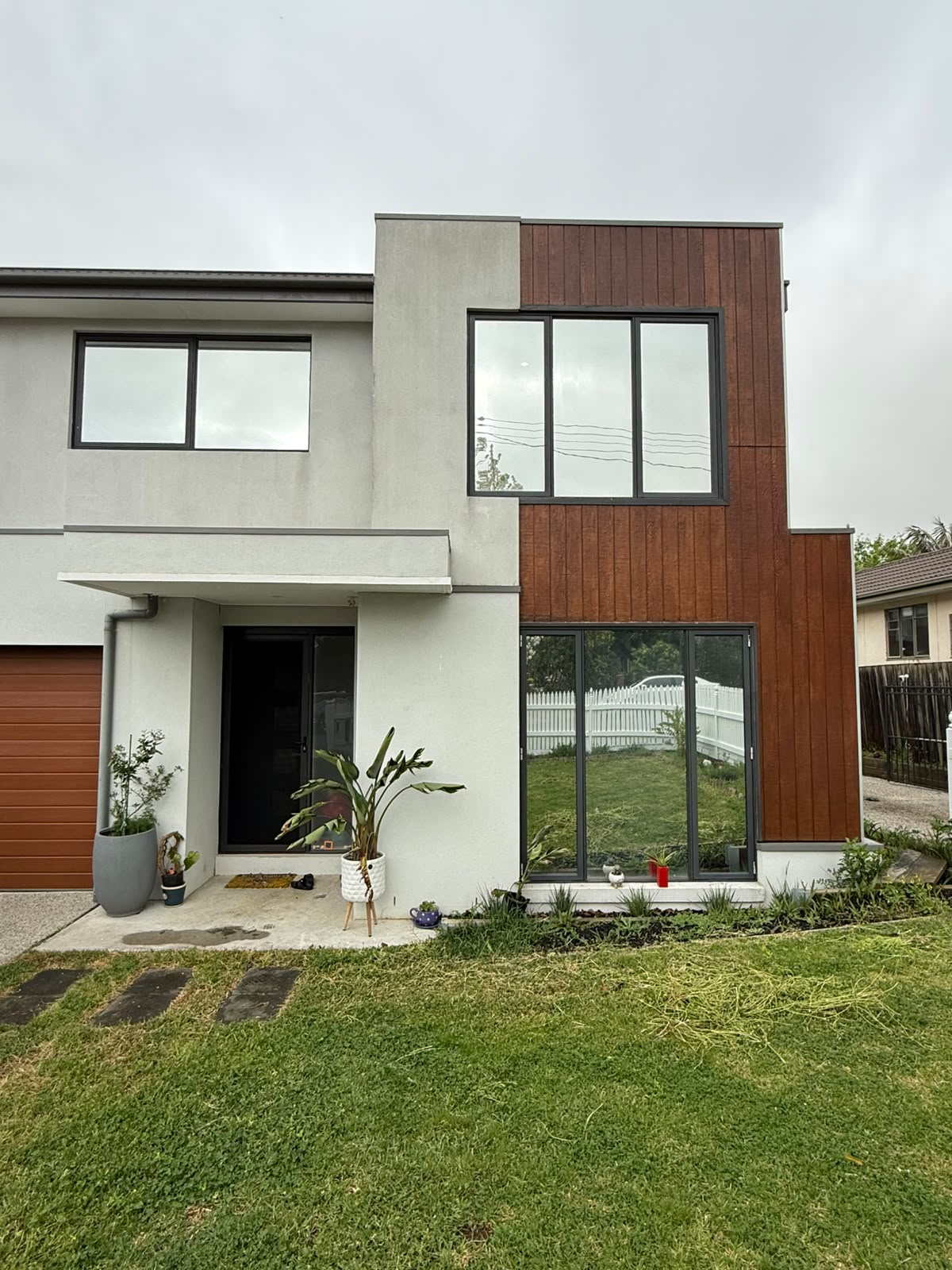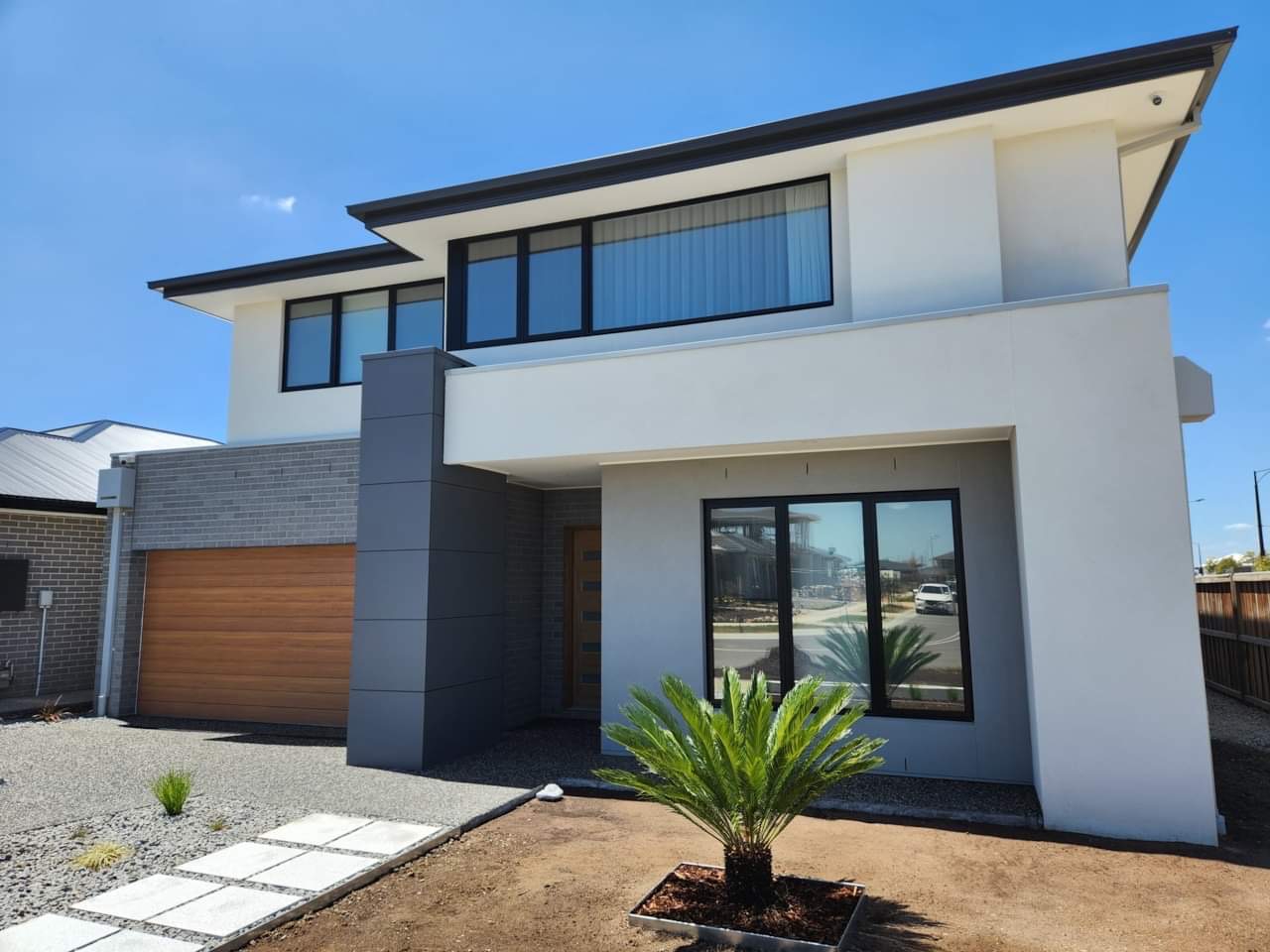

The short answer: House window tinting is a thin film fitted to the glass you already have. It cuts the sun’s heat, glare and UV coming into your home, gives you daytime privacy, and costs far less than replacing your windows. How well it works depends on the film, your glass and which way the window faces. A free quote starts with a look at all three.
Why Melbourne houses get so hot
Melbourne summers can swing from mild to scorching in a day. On 27 January 2026, Victoria set a new state temperature record of 48.9 °C, according to the Bureau of Meteorology. Most of us weren’t anywhere near that, but plenty of us still felt the heat inside our own homes.
Here’s the thing about glass: it lets the sun straight in. A west-facing lounge room can get very warm by late afternoon, even with the curtains drawn and the air conditioner running. Roofs, walls and insulation all play a part, but windows are often the easiest place to make a difference without a major renovation.
That’s where tint comes in.
What house window tinting actually does
Window film sits on the glass and changes how sunlight passes through it. Done well, it can:
- Cut heat. Less solar heat gets through the glass, so rooms stay more comfortable and your air conditioner may not need to work as hard.
- Tame glare. Great for TV rooms, home offices and kitchens that get blasted by low afternoon sun.
- Reduce UV and fading. Fading comes from UV, visible light and heat together, so film helps slow it, but it can’t stop it completely.
- Add daytime privacy. Reflective films make it much harder for people outside to see in during the day.
Now for the honest bit. Tint won’t turn your house into a cool room on a 40-degree day. It reduces the heat coming through the glass, but it can’t fix a hot roof or a poorly insulated wall. It also reduces the natural light a little, depending on the shade you choose. Our job is to match the film to your windows so you get the best trade-off.
The films we install
Most houses suit one of three film types. The figures below are the “up to” numbers we publish for each type, and your actual result will depend on the specific film and glass.
| Film type | Look from outside | Glare reduction (up to) | UV blocked (up to) | Solar heat rejection (up to) | Best for |
|---|---|---|---|---|---|
| High reflective | Mirror-like, silver or coloured | 83% | 99% | 81% | Maximum heat control on sunny, exposed windows |
| Dual reflective | Reflective outside, neutral inside | 84% | 99% | 71% | Heat control without a silver look from indoors |
| Low reflective (“black tint”) | Dark, subtle | 84% | 99% | 65% | A darker, more private look with less reflection |
Source: Tint Minister film specifications.
High reflective is the heavy hitter for heat. During the day you can see out clearly, but people outside mostly see a mirror. Dual reflective has a reflective face outside and a more neutral face inside, so you don’t get the silver-mirror effect from indoors. Low reflective is the dark, understated option. It reflects less light than the others and gives a calm, private feel.
We also fit Low-E film, which is designed to hold heat in during winter and keep cooled air in during summer. We take a deposit for Low-E jobs, and we’ll explain why when you ask for a quote.
If you don’t like the mirror look, tell us. There are other ways to get heat and privacy benefits, and we’ll walk you through them.
How to read the numbers
Film specs can look like alphabet soup. Here’s what matters.
VLT (visible light transmission) is the percentage of visible light that gets through. A lower number means a darker film. It’s about brightness and privacy, not heat. Two films with the same VLT can reject very different amounts of heat.
UV blocked is how much ultraviolet light the film stops. Most quality films block up to 99%, so this rarely separates one film from another.
Heat rejection is the tricky one. Manufacturers measure it in different ways. Some quote total solar energy rejected (TSER), which counts visible light, infrared and UV. Others quote heat rejection over a narrow slice of infrared light. For example, notes on some of its materials that its “up to 71%” figure is measured across 900–1000 nanometres. That’s why you can’t always compare one brand’s headline number with another’s.
SHGC (solar heat gain coefficient) is the flip side of TSER. It shows how much solar heat gets in, so a lower number means less heat. You’ll see it on window energy ratings in Australia, such as those issued under the Window Energy Rating Scheme (WERS).
The practical tip: ask for the data sheet, check the same measure is being compared, and don’t judge a film on one big number.
Will it suit your windows?
This is the question we care about most, because the wrong film on the wrong glass can cause problems.
Some films absorb more of the sun’s energy than others. That warms the glass, and if the glass can’t handle the stress, it can crack. This is called thermal stress. The risk depends on the type of glass (toughened glass copes better than older annealed glass), its thickness, the film, and how much shade the window gets.
Double glazing and Low-E glass need extra care. Some window manufacturers restrict aftermarket film in their warranties, and some film makers need installers to submit a glass checklist and get approval before they’ll cover glass breakage.
So before we recommend anything, we check your glass. If your windows are still under warranty, check what the manufacturer says too. We’d rather tell you a film isn’t right for a particular window than sell you one that is.
What does house window tinting cost in Melbourne?
The honest answer is that it depends, but it’s a lot less than window replacement. Here’s what moves the price:
- Number and size of windows. More glass means a bigger job.
- Film type. Low-E and specialty films generally cost more than standard solar films.
- Your glass. Double glazing, laminated glass and large panes can need more careful film selection.
- Access. Second-storey windows, tight spots and tall glass take more time.
Our quotes are free. Tell us roughly how many windows you’re tinting and we’ll give you a clear number. You only pay after the job is finished and you’re happy (the exception is a deposit for Low-E film).
What happens on install day
Here’s the typical flow:
- Quote and glass check. We look at your windows, glass type and how much sun they get, then recommend a film.
- Booking. Pick a day that suits you. We work Monday to Saturday, 8am to 6pm.
- Prep. We clean the glass thoroughly. Dust trapped under film is what ruins a job, so this step matters.
- Install. The film is applied with a soapy slip solution, trimmed to size and squeegeed flat.
- Walk-through. You check the work with us before you pay.
Expect a dry-out period. Some water stays trapped between the film and the glass, and it takes time to evaporate. You might see haze or small bubbles in the first days and weeks. That’s normal. Drying can take a few days, several weeks, or even a couple of months in cooler, cloudier conditions like ours in Victoria. Warm, sunny weather speeds it up, which is one reason summer installs often dry faster.
Cleaning: use a microfibre cloth, soft sponge or rubber squeegee, and avoid ammonia-based glass cleaners. A simple mix of about 15 mL of dish liquid in 950 mL of clean water does the job.
Where we work
We’re based in Oakleigh South. We work across Melbourne, including Brighton, Malvern East, Toorak, Mornington, Mount Martha and Narre Warren North, and surrounding Melbourne suburbs and regional towns in Victoria.
Why Melbourne homeowners choose Tint Minister
- Skilled tradespeople. Every installer is a trained tradesperson, and we run thorough background checks because we work inside your home.
- Pay after you’re satisfied. You pay once the job is complete (Low-E film requires a deposit).
- Lifetime work assurance. We stand behind our workmanship.
- Industry membership. WFAANZ membership, the Window Film Association of Australia and New Zealand.
House window tinting FAQs
How much cooler will my house be after tinting? It depends on the film, your glass and the window’s direction. Film reduces solar heat coming through the glass, which helps most on sunny, west and north-facing windows. It won’t replace insulation or air conditioning, but many people notice rooms feel more comfortable.
Is window tint legal on a house in Victoria? Rules for car tint are different and don’t apply to homes.
Can you tint double glazed windows? Often yes, but the film has to suit the glass. Some films can cause thermal stress on double glazing, and some window warranties restrict film. We check your glass first and recommend a safe option.
Will tint make my house dark? Not necessarily. A lower VLT means a darker film, but there are lighter shades that keep rooms bright while still cutting heat and glare. We can show you samples against your own windows.
Can people see in at night? Reflective films work best in daylight, when it’s brighter outside than inside. At night, with lights on inside, the effect can reverse. If night-time privacy matters, tell us and we’ll talk you through frosting or other options.
How long does installation take? That depends on the number of windows. Allow extra time for dry-out afterwards.
How long does the film last? Quality film lasts for many years, but lifespan depends on the film, the glass and exposure. Check the manufacturer’s warranty for the specific film you choose.
Can film go on the outside of the glass? Yes, exterior film exists. It’s thicker and more durable than interior film and typically comes with a shorter warranty, around five to seven years.
Can I tint my windows if I rent? Check with your landlord or property manager before you book.
How do I get a quote? Call us on +61 423 187 762 or use the form on our free quote page. We’ll ask about your windows, then give you a clear price.
Ready to cool things down?
Spring is the best time to book. Getting film installed before the first heatwave means you’re comfortable when it counts. Get a free quote or call +61 423 187 762.
Tint Minister, Unit G06, 1076 Centre Rd, Oakleigh South VIC 3167 · Monday to Saturday, 8am to 6pm · Visits by appointment.